September in Asia: A Comparative Guide to Vietnam, Thailand, Sri Lanka, and India for Families with Children
Where to go in September with a two-year-old child? A comparison of climate, prices, safety, medical care, and cuisine – from the beaches of Thailand to the temples of Sri Lanka.
September in Asia: A Comparative Guide to Vietnam, Thailand, Sri Lanka, and India for Families with Children
Where to go in September with a two-year-old child? A comparison of climate, prices, safety, medical care, and cuisine – from the beaches of Thailand to the temples of Sri Lanka.
listing_promo_review_translator).
Introduction: Morning, Coffee, and a Map of Asia
The first cup of coffee cools on the table. On the laptop screen are four weather windows: Ho Chi Minh, Bangkok, Colombo District, Goa. September in Southeast Asia is a month of contrasts. Somewhere the monsoon is gaining strength, somewhere it’s giving way to sunshine. You look at the map, and the main question crystallizes before your eyes: where to fly with a child under three so you don’t have to hide from downpours, worry about little tummies, or spend half the vacation on the road?
This overview of four destinations—Vietnam, Thailand, Sri Lanka, India—was born from hundreds of reviews, seasonal data, and the personal experience of parents who have already traveled this route. Each country reveals itself in its own way: the scent of jasmine at a night market, the sound of a tuk-tuk outside the window, the texture of warm rice pudding. But they all share one crucial thing: a readiness to welcome a family with a small child and not disappoint.
This text isn’t about the “perfect vacation”—that doesn’t exist. It’s an honest conversation: what’s what, where it’s calm, and where you should be on your guard. About bottled water, a first-aid kit in your backpack, and the smiles that keep exhaustion at bay. About how a September evening by the pool in Hua Hin differs from a sunset on Unawatuna Beach, or a morning swim in the Andaman Sea.
Choosing a Destination: Climate, Season, and Child-Friendly Comfort
Asia’s September climate is a kaleidoscope where dry and wet zones flow into each other. In Thailand, the southern resorts (Phuket, Krabi, Samui) are at the peak of the rainy season: downpours are brief but powerful, the sea is rough, and waves can stir up fine sand, turning the water cloudy. Bangkok and the northern part of the country (Chiang Mai), on the other hand, are already emerging from the wet season: rains become less frequent, the air is fresher, and the greenery is at its most lush. For a two-year-old, southern Thailand in September poses risks: humidity around 90%, active mosquitoes, and seaweed on the beaches after rain.
Vietnam is a more complicated story. The country stretches from north to south, and the weather dictates the route. In September, Hanoi and Ha Long Bay enjoy mild warmth around 28°C (82°F), with rare, short showers, though typhoons from the north are possible (on average 1–2 per month). Central Vietnam (Da Nang, Hoi An) is in the rainy season; downpours can last for days. The south (Ho Chi Minh City, Phu Quoc) has the monsoon, but rainfall mainly comes in the afternoon, leaving mornings and evenings clear. For a family with a toddler, the most sensible choice is the north or south in the first half of the day, avoiding the center.
In September, Sri Lanka is one of the best months for the southwestern coast (Galle, Unawatuna, Hikkaduwa). The monsoon moves east, leaving the west coast with sun, calm seas, and a gentle breeze. Air temperature is 28–30°C (82–86°F), water 27°C (81°F). Rain is possible but brief, mostly at night. This is the perfect moment for a beach holiday with a child: gradual entry, sand free of sharp stones, water crystal clear. The page “Galle: Immersion into Colonial Heritage, Flavors, and Adventures — a Complete Guide” ( link ) describes the climatic comfort of this region in September in detail.
India (Goa and the southern states of Kerala, Karnataka) in September marks the end of the monsoon. Goa still gets rain, but far less frequently than in July–August. Nature bursts into bloom, waterfalls are full, and the greenery is dazzling. Kerala (Alleppey, Kovalam) is humid, with frequent rainfall but warm seas. The risk for families is that waves on some beaches (Candolim, Baga) can be strong, with rip currents. Choose hotels with pools and sheltered lagoons.
Flights and First Hours: Prices, Duration, Adjustment
September tickets are among the cheapest of the year. School holidays are over, and tourist traffic declines. Average round-trip flight prices from Moscow: Thailand – 30,000–40,000 rubles, Vietnam – 35,000–45,000 rubles, Sri Lanka – 32,000–42,000 rubles, India (Goa) – 28,000–35,000 rubles. Direct flights: to Thailand (Aeroflot, Thai) – 9 hours; to Vietnam – Moscow–Hanoi (Aeroflot, Vietnam Airlines) 9–10 hours; to Sri Lanka – only with a connection (via Doha, Dubai, Istanbul) – from 12 hours; to India – direct to Delhi/Goa (9–10 hours), though from regional airports connections are more common.
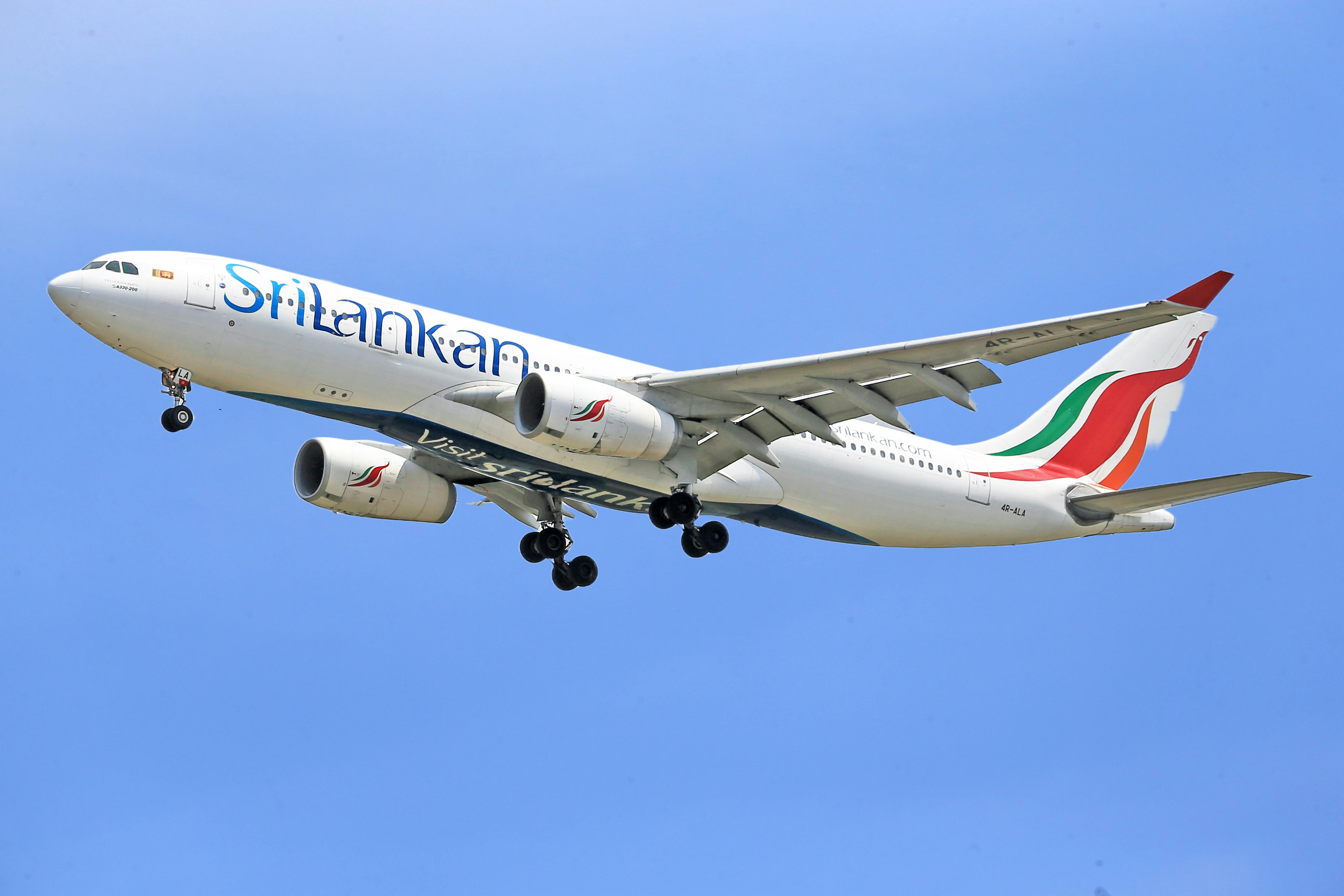
For a 2‑year‑old child, time in transit is a key factor. The fewest hours in the air are on direct flights to Thailand and Goa. Sri Lanka with a layover (12+ hours) is tiring: two take‑offs and landings, a change of cabin, waiting in the transit zone. Vietnam (a direct flight to Hanoi) takes about 10 hours, which is acceptable if you take a night flight: the little one will sleep through most of the journey.
Adjusting on the ground: the time difference from Moscow is +2/+3 hours (Thailand, Vietnam, Sri Lanka – +2; India +2.5). To beat jet lag – a walk right after arrival, sunlight, a light supper. During the post‑arrival rush hour, a taxi from the airport to a hotel in Bangkok or Ho Chi Minh City means traffic jams. It’s better to book a transfer with a child seat (usually a 500–1,000 baht/rupee surcharge). In Goa and Sri Lanka, traffic is less dense, but roads are narrow and driving is chaotic: in the evening there are many motorbikes and tuk‑tuks on the roads.
Accommodation with a child: hotels, apartments, villas
Accommodation prices in September are low season, with discounts up to 40–50% off peak winter rates. The average price of a good 4‑star hotel room: Thailand – 2,000–3,500 baht (≈5,300–9,300 rub.), Vietnam – 1.5–2.5 million dong (≈5,000–8,300 rub.), Sri Lanka – 15,000–25,000 rupees (≈6,000–10,000 rub.), India – 4,000–7,000 rupees (≈4,800–8,400 rub.). Apartments with a kitchen and a bedroom are an option for families with a toddler: you can cook, do laundry, and maintain a familiar routine.

What’s important for a two‑year‑old: availability of a cot (most hotels provide one free on request), a pool with a shallow area (baby pool), and grounds with shade. In Thailand, resorts in Hua Hin and Phuket are famous for family programs – kids’ clubs, nannies (around 300 baht/hour). Sri Lanka offers bungalows right on the sand in Unawatuna, where the waves hardly reach the shore. Apartments with a private kitchen are especially popular in Vietnam (Hoi An, Da Nang) – renting a studio with a kitchen starts from 20–30 dollars per night.
In India, especially in Goa, villas with a pool are a common format: you can find a three‑bedroom villa from 70–100 dollars per night. The downside is distance from infrastructure, and the need to rent a scooter or taxi. In Kerala, houseboats on Lake Bekal are popular – romantic, but risky with a small child (low rails, water right there).
Food and water: safety, children’s menu, street food
Tap water in all four countries is undrinkable – that’s an axiom. Bottled water costs pennies: in Thailand 7–10 baht for 1.5 L, in Vietnam 5,000–8,000 dong (≈15–25 rub.), in Sri Lanka 60–80 rupees (≈25–30 rub.), in India 20–30 rupees (≈25–35 rub.). Water from coolers is also available everywhere in hotels and cafés. For a child, it’s important to boil even bottled water for formula or just for drinking – better to be safe, especially on the first day.

Street food is a vibrant side of Asia, but for a 2‑year‑old it’s a high‑alert zone. In Thailand, many stalls cook in plain sight: pad thai, chicken rice, noodle soup (without spice). You can ask for no chilli – they usually comply. In Vietnam: pho bo, banh mi (stuffed baguette) – the broth and rice noodles without spices will suit a child. Sri Lanka: hoppers (rice‑flour bowls), kottu (chopped flatbread with vegetables and meat) – spiciness can be adjusted. India: rice with dal, roti, yoghurt (lassi) – many dishes are already mild. It’s better to choose places with a high turnover of customers – the ingredients are fresher.
European cuisine is available everywhere: in tourist zones it’s easy to find pasta, pizza, French fries. In Vietnam and Thailand there are many restaurants with international menus, prices 200–500 baht/dong for a main dish. Sri Lanka has less choice, but on the south coast (Galle, Unawatuna) there are cafés with familiar breakfasts (fried eggs, toast, smoothies). In India, especially in Goa, the Portuguese legacy brought bread, cheese, and fried fish – children usually eat well.

Medicine and insurance: pharmacies, clinics, emergency care
The level of medical care varies: Thailand has the best private sector (Bangkok Hospital, Bumrungrad International) with English-speaking doctors and modern equipment. A pediatric consultation costs 1500–3000 baht (≈4000–8000 RUB). Vietnam: in major cities (Ho Chi Minh City, Hanoi) there are good international clinics (Vinmec, Family Medical Practice), prices lower than Thailand – 50–80 dollars per visit. Sri Lanka: in Colombo and Galle there are quality private hospitals (Asiri, Nawaloka), consultation 3000–5000 rupees (≈1200–2000 RUB). India: a recognized medical tourism hub – Apollo, Fortis – high service, moderate prices (consultation 1500–3000 rupees ≈1800–3600 RUB).
Pharmacies are open 24/7 everywhere, basic medicines available over the counter: antipyretics (paracetamol, ibuprofen syrup), enterosorbents, antihistamines, plasters, insect bite remedies. It’s better to bring children’s medications from home (trusted brands, dosage). Insurance is mandatory – choose a policy with coverage of at least 50,000 USD, including outpatient care, hospitalization, evacuation. In Vietnam and Thailand a policy for a child costs 2000–3000 RUB for 10 days, Sri Lanka and India – slightly cheaper (1500–2500 RUB).
Special note for a two-year-old: no country requires mandatory vaccinations for entry, but hepatitis A, typhoid, tetanus (standard schedule) are recommended. Malaria – in rural areas (north and east of Sri Lanka, Thai border with Cambodia and Myanmar, Vietnam’s highlands), but in tourist zones the risk is low. Mosquitoes are active at dusk – use nets, repellents (DEET up to 30% for children), and mosquito coils.
Safety and comfort outdoors: crime, roads, hygiene
In terms of crime, all four countries are safe for tourists: thefts happen but are not aggressive. The highest risk is pickpocketing in markets (in Bangkok, Ho Chi Minh City, Colombo). Sri Lanka and Thailand have low levels of violent crime. India (Goa, Kerala) – also calm, but for cultural reasons it’s better not to leave valuables unattended on the beach.
Roads are the main challenge with a stroller. Sidewalks in Thailand (Phuket, Bangkok) are often occupied by parked motorcycles, stalls, and have gaps. In Vietnam, traffic is chaotic but drivers are used to maneuvering; cross the road slowly, holding the child in your arms or in a carrier. Sri Lanka: sidewalks are narrow, partly broken – it’s more convenient to carry the baby in a backpack. Goa: roads along the coast are in good condition, there are promenades (Mandrem, Ashwem) for walking with a stroller.
Beach hygiene: Thailand – central areas are cleaned (Patong, Kata), remote ones may have litter. Sri Lanka – the southern coast (Unawatuna, Mirissa) is clean, water transparent. Vietnam – Phu Quoc, Nha Trang: sand is well-maintained, but after rain there may be seaweed. India – Goa: municipal beaches, cleaned daily in season, but in September after the monsoon there may be washed-up grass and branches.
Family activities and beaches: where to go with a toddler
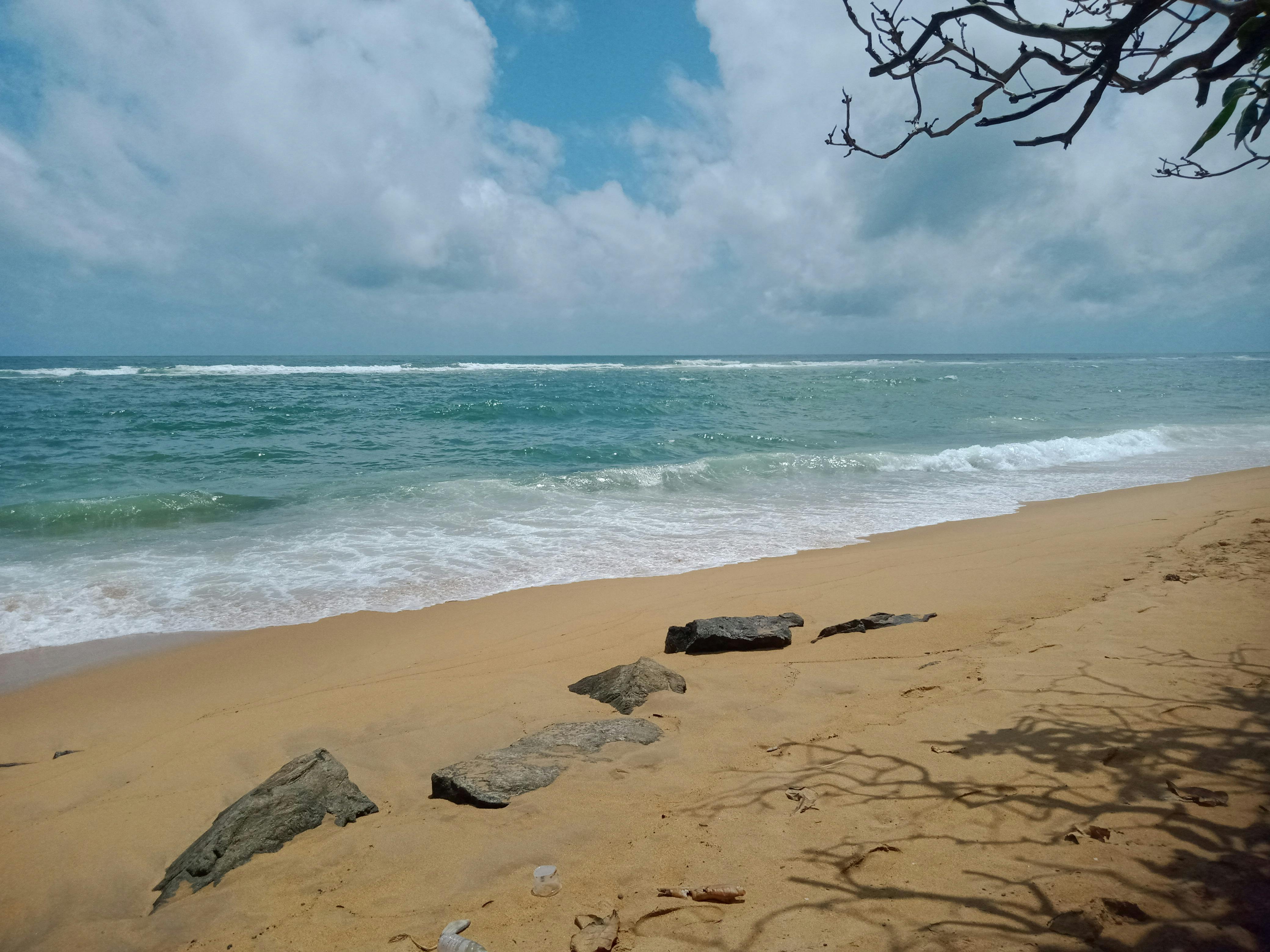
Beaches for children 2+ require a gentle slope, no strong waves, and clean sand. Thailand – Kata Noi (Phuket), Chaweng (Samui), Hua Hin (mainland) – excellent options. The sea level in September on the west coast of Phuket and Krabi – waves can be up to 1 meter, but there is shallow water up to 30 meters from the shore. Sri Lanka – Unawatuna (a natural bay protected by a coral reef, calm water, depth increases gradually). This beach is mentioned on the page “Unawatuna: full immersion into a paradise corner of Sri Lanka – from arrival to starry nights” ( link ) as safe for toddlers. Vietnam – Phu Quoc beach (red sand, gentle entry) and Nha Trang (city beach, clean, but can have waves). India – Goa: Ashwem and Mandrem beaches – calm, many families with children.
Beyond the beach: in Thailand – water parks (in Pattaya, Phuket), petting zoos (in Hanoi, Ho Chi Minh City). In Vietnam – Vinpearl Land amusement park on Phu Quoc, with a toddler zone. Sri Lanka – elephant orphanage (Pinnawala), sea turtle hatchery in Hikkaduwa, tea plantations in Nuwara Eliya with strolls through manicured gardens. India – spice plantation park in Kerala, train show in Brinjal Garden (Masain), museums of Goa (old town).
Excursions with a child: optimal duration – 2–3 hours with breaks. In Vietnam – a cruise on Ha Long Bay by junk (you can rent a private cabin with air conditioning). In Thailand – island tours (but it's better to choose a private speedboat – less rocking). Sri Lanka – a trip to Galle Fort ( link ) for half a day: easy to walk along the fortress wall, there are juice cafes, shady streets. India – a sea trip on a catamaran from Candolim Beach (safe, the child can sit on your lap).
Final verdict: comparison table by key parameters
A summary for a family with a 2‑year‑old child in September:
Thailand – the best choice for those who value a developed tourist infrastructure, an inexpensive flight and a comfortable climate in the north or in Hua Hin. Drawbacks: rainy season on the southern beaches, high humidity, risk of waves. Suitable for a short trip (up to 10 days) based in a hotel with a pool.
Vietnam – the optimal balance of price and quality. In September, the north (Hanoi, Ha Long) and the south (Phu Quoc) have good weather. Cheap accommodation, delicious and safe food (pho, nem). Drawback – typhoons in the north (1–2 per month). Ideal for 10–14 days.
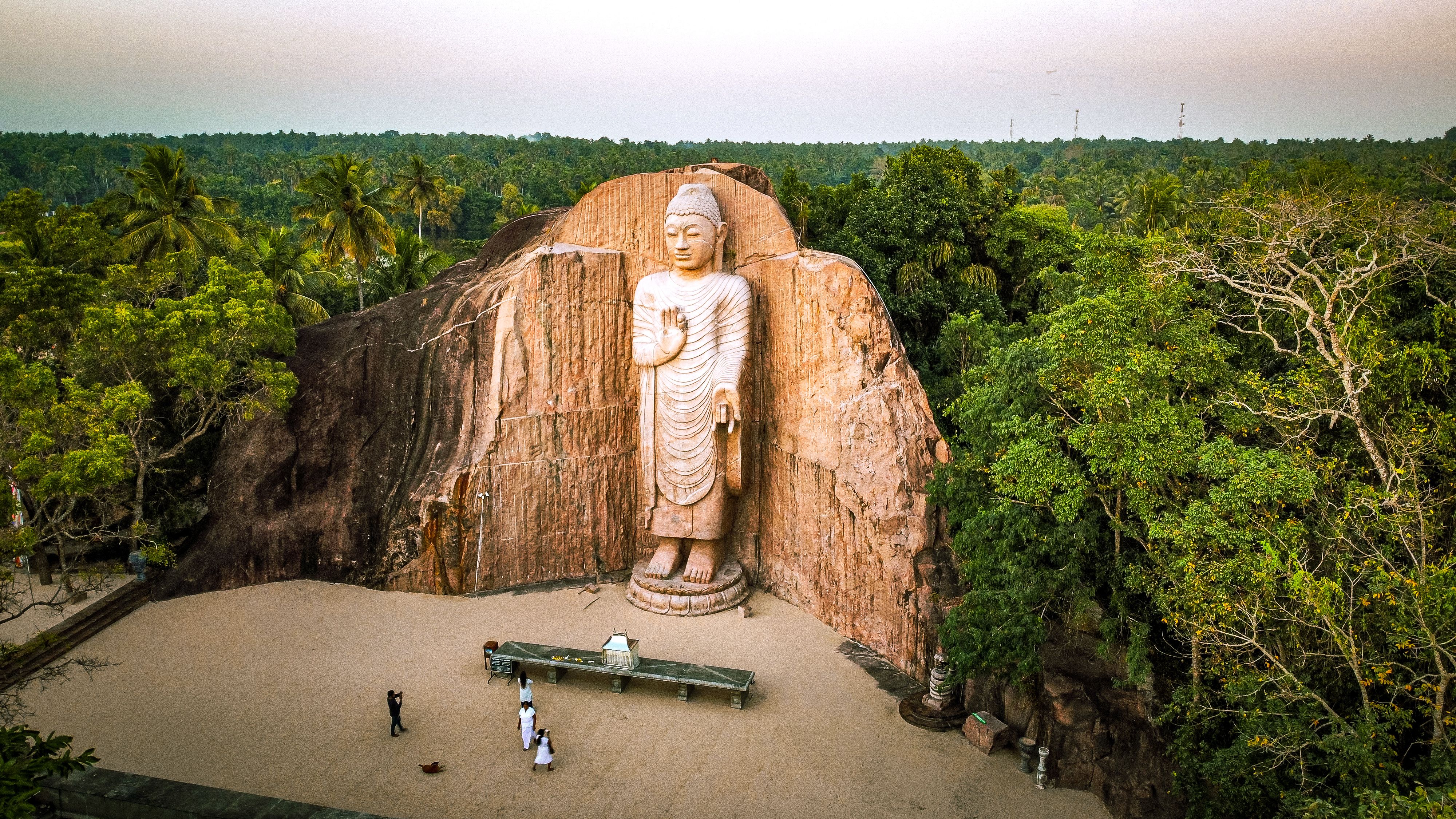
Sri Lanka – the best sea in September (south‑west coast). Calm bays, crystal water, low prices. Drawbacks: a long flight with a transfer, roads without pavements, fewer children’s entertainments. Recommended for a relaxing beach holiday without active moving around.
India (Goa, Kerala) – the cheapest flight and accommodation. In September – greenery, waterfalls, but rain is still possible (especially in Kerala). Beaches are not safe everywhere (rip currents), it is better to choose hotels with a pool. For experienced travellers who are ready for cultural contrasts.
The safest option for a beginner is Sri Lanka (south) or Thailand (Hua Hin/Phuket). The most budget‑friendly is India (Goa). The most gastronomically interesting is Vietnam. The most tried‑and‑tested by children’s feedback is Thailand. The decision should be made by weighing the flight comfort and the number of rainy days – this September the weather favours those who have studied each point in advance. The map of Asia remains open, and the choice belongs to the morning that begins with a new cup of coffee and a confident “we’ve decided.”
Thông tin chính xác tại thời điểm chuẩn bị nội dung (28.07.2026). Chi tiết tại chỗ có thể thay đổi.


