India e-Visa explained: entries, validity & arrival traps
A long Compass World read on India’s online visa: entries vs stay, validity windows, airport traps, and how to travel without third-party drama.
India e-Visa explained: entries, validity & arrival traps
A long Compass World read on India’s online visa: entries vs stay, validity windows, airport traps, and how to travel without third-party drama.
listing_promo_review_translator).
India e-Visa explained: entries, validity, and the traps travellers miss
Planning a trip to India usually starts with temples, trains, and street food.
It should start with one quieter question: what exactly does your visa allow you to do?
India’s online visa system (commonly called e-Visa) is a gift compared with the old
paper-consulate maze. It is also the place where careful travellers still lose flights,
pay for “urgent” third-party “helpers,” or discover at immigration that their
“30-day visa” does not mean what they thought.
This long read is a field guide for independent travellers: how the online process
usually works, how entries differ from stay duration, why validity windows
matter more than the pretty PDF in your inbox, and how to arrive at the airport without
drama. It is travel journalism for planners — not a substitute for the official
government portal, which can change fees, eligible nationalities, and form fields
overnight.
Hard rule: Always confirm details on the official Government of India e-Visa site
before you pay anyone else. Rules, prices, and country lists move. Screenshots from a
blog (including this one) age.
Why India went digital — and why that still feels confusing
For decades, an India visa meant queues at a consulate, photocopies of hotel vouchers,
and weeks of waiting. The e-Visa programme flipped that into a browser form: upload a
photo, pay a fee, wait for an electronic travel authorisation, and print (or save) a
PDF. Most leisure travellers from eligible countries now never speak to an embassy.
The confusion comes from language. Marketing pages say “easy online visa.” Travellers
hear “tourist visa for India.” Immigration officers think in categories, entries,
validity, and permitted stay. Those four words are not synonyms.
- Category — tourist, business, medical, conference, and other specialised tracks.
- Entries — how many times you may cross into India on that authorisation
(single / double / multiple, depending on product and nationality). - Validity — the calendar window during which the e-Visa can be used to enter
(or, depending on the product wording, remain usable). - Permitted stay — how long you may remain after a given entry.
Mix those up and you get the classic airport story: “I thought I had 60 days left”
when the stay clock and the validity clock were never the same dial.
Online vs VOA vs consulate: pick the lane that matches your trip
e-Visa (online)
Best for most short-to-medium leisure trips from eligible nationalities. You apply
before travel, receive an ETA / grant PDF, and present it with your passport at an
approved port of entry (major international airports and some seaports — the list is
official, not “any Indian airport”).
Visa on Arrival (VOA)
Available only for specific nationalities and ports, with its own fee and paperwork
dance. Do not assume VOA exists because a friend from another passport got it.
If VOA is not on the official list for your nationality, the counter will not invent
one for you.
Consular / paper visa
Still required for longer stays, certain work patterns, some nationalities, and cases
where e-Visa is refused or ineligible. If your itinerary involves volunteering that
looks like work, media, or extended remote-work grey zones, read the fine print —
tourist e-Visa is not a magic cloak.
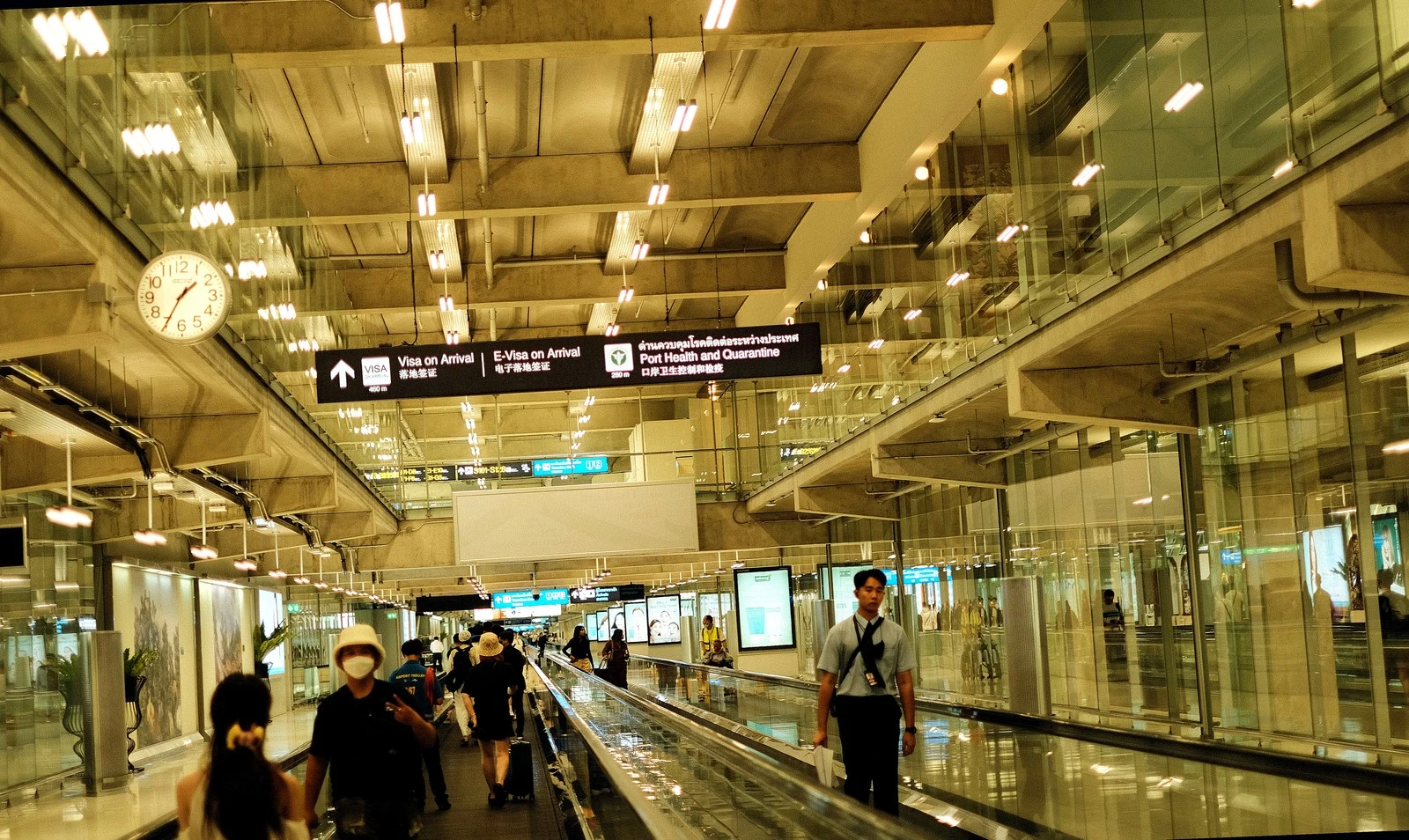
The application: what actually matters on the form
Treat the form like boarding-pass data: small typos become big delays.
Passport data must match letter-for-letter
Name order, middle names, passport number, and expiry date must match the machine-
readable zone. If you renewed your passport after applying, your old e-Visa does not
teleport onto the new booklet.
Photo and passport scan quality
Blurry selfies, sunglasses, cropped crowns, and glare on the biodata page are common
rejection reasons. Use a plain background, recent photo, and a flat, well-lit passport
scan. If the portal rejects the file, fix the file — do not open a third-party “photo
fix” chat that asks for your passport number in WhatsApp.
Contact and address fields
Use an email you check. The grant letter arrives there. Hotel addresses can change;
have a first-night booking you can show if asked. Phone numbers with country codes
matter when OTP or SMS confirmation is involved.
Itinerary honesty without oversharing
You do not need a minute-by-minute spreadsheet. You do need a coherent story:
rough regions, first arrival city, and enough hotel or host detail to look like a
real trip. Inventing a fake five-star in a city you will never visit is how people
talk themselves into secondary questioning.
Fees, “helpers,” and the grey market
Official fees are published on the government portal. Everything else is optional
noise:
- Agency “concierge” sites that look almost official, charge a markup, and
sometimes mishandle data. - Telegram / Instagram fixers promising same-day grants.
- Airport touts offering to “help with forms” after you land.
Pay the official fee once. Keep the receipt. If someone needs remote access to your
email to “speed things up,” walk away.
Entries: the word that breaks holiday maths
Single entry
You enter India once. Leave to Nepal, Sri Lanka, or Dubai for a weekend, and you
generally cannot re-enter on the same single-entry tourist e-Visa. Border-hopping
is a classic trap for overlanders and digital nomads doing “visa runs.”
Double entry
Two entries within the product rules. Useful for a Nepal side-trip if your
authorisation explicitly allows it — never assume double entry because the PDF looks
long.
Multiple entry
More flexible for multi-leg Asia trips, but still constrained by validity and stay
rules. Multiple does not mean unlimited months of living in India under tourist
pretences.
Traveller pattern to avoid: booking cheap flights that bounce India → third country
→ India on a single-entry grant because “the visa is still valid on dates.” Validity
without remaining entries is a PDF souvenir, not an entry ticket.
Validity vs duration of stay (read this twice)
This is the heart of the article.
Imagine you receive an e-Visa that is valid for 30 days from the date of issue
(wording varies by product — always read your grant). People hear “I can stay 30
days.” Sometimes the product instead means: you must enter within a window, and
once inside, a separate stay clock starts.
Other products are framed around stay from the date of first entry, with the
grant remaining usable only inside a broader calendar window.
Practical checklist before you buy non-refundable hotels
- Note issue / grant date.
- Note latest allowed arrival (if stated).
- Note maximum continuous stay after entry.
- Note number of entries.
- Align flight tickets to (2) and (3), not to a hopeful reading of (1).
If your trip is 28 days on the ground but your entry window closes in 10 days, you do
not have a planning problem — you have a product mismatch. Apply again under current
rules or change dates.

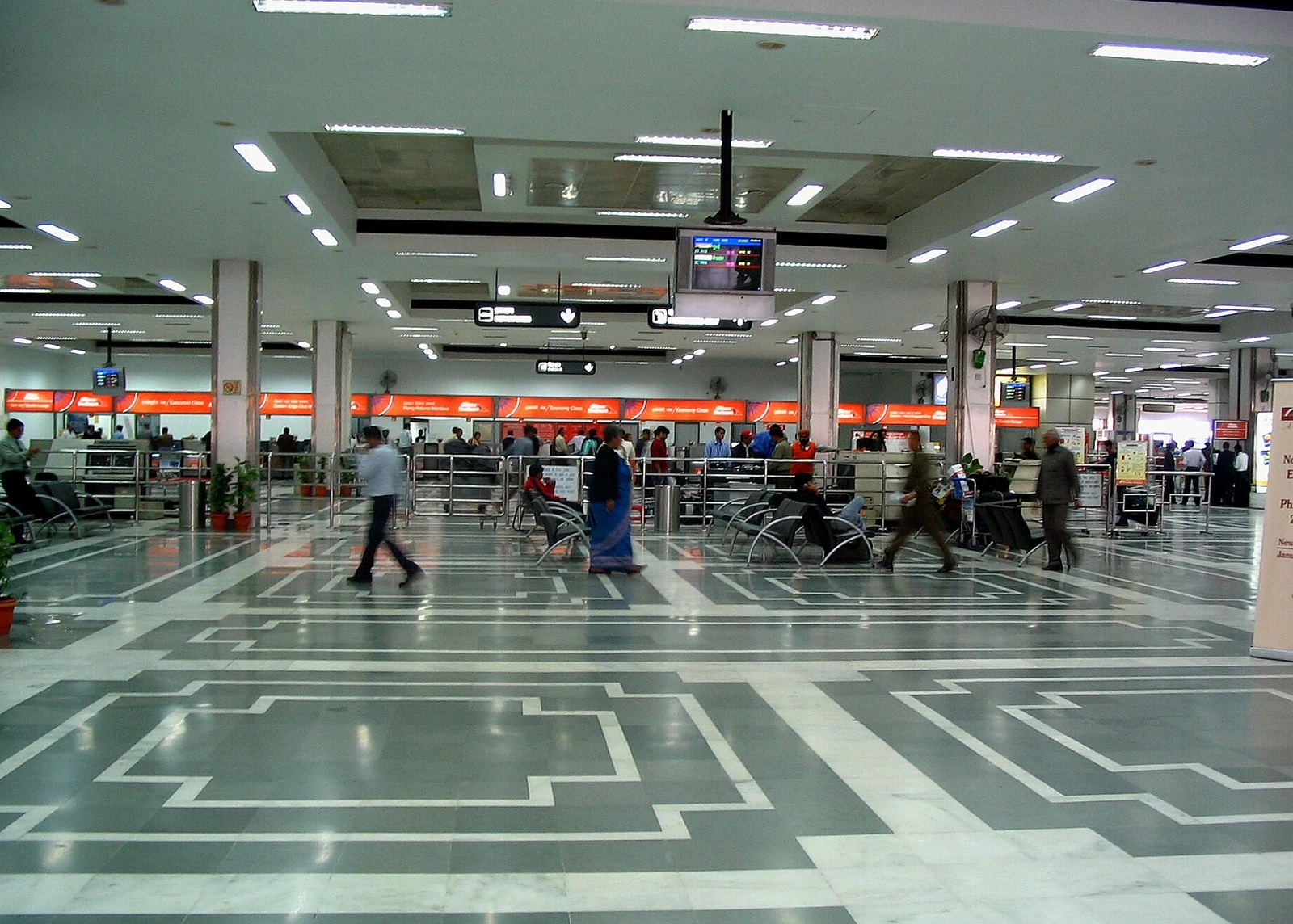
Airports, stamps, and the last 40 metres
Most e-Visa travellers clear immigration at busy international airports. Still:
- Carry the grant PDF offline (phone download + cloud + one paper copy if you like
paper). Connectivity after a long-haul landing is not guaranteed. - Join the correct queue. e-Visa / foreigners lines are marked; following the wrong
snake costs an hour. - Be ready for questions: purpose, first hotel, return ticket. Calm, short answers
beat improvisational comedy. - Biometrics and photos are normal. Hats and sunglasses off.
If your nationality or port is wrong for the product you hold, no amount of charm
rewrites the rule set at the counter.
Common refusal and delay patterns
- Photo / scan quality failures.
- Passport validity too short for the trip (many countries expect ~6 months; check
airline rules too — carriers enforce before you ever see Indian immigration). - Applying too close to departure for a nationality that needs longer processing.
- Prior overstay history or previous refusals (disclose truthfully when asked).
- Business activity described on a tourist form.
A delay is not always a refusal. Sometimes it is a manual check. Do not buy a same-
day “expedite” from a stranger in a coffee shop near the embassy.
Extending, converting, and “I’ll figure it out in Goa”
Tourist e-Visa is not designed as a soft landing into residence. Extensions, if any,
are FRRO / official processes with their own appointments and paperwork — not a beach
café WhatsApp group. Converting tourist stay into work authorisation is a different
legal planet. If you need months of remote work certainty, research the correct visa
class before you romanticise a co-working loft in a coastal state.
Digital nomad folklore loves the phrase “I’ll extend locally.” Sometimes an extension
path exists; often it does not for your nationality or visa subclass; occasionally it
exists only with medical or exceptional grounds. Treat “extend in India” as a research
project with official sources, not as plan B written on a napkin after your third
beach sunset.
If your true plan is six months of client calls from cafés, say so to yourself now.
Either structure a legal pathway, or design a multi-country route that does not depend
on stretching a tourist product until it snaps.
Families, minors, and group bookings
Children usually need their own authorisations even when travelling on a parent’s
itinerary. Names must match passports; consent letters and birth certificates can
surface at airline check-in even when immigration later waves you through. Couples
with different surnames should carry marriage proof if hotel policy or local checks
ask — this is cultural friction more than visa law, but it collides with the same
first-night stress.
Group tours sometimes “include visa assistance.” Confirm whether that means they
file on the official portal under your control, or push you toward a reseller. Keep
your own PDF copies regardless of who clicked Submit.
Side trips: Nepal, Sri Lanka, Maldives, Gulf hubs
South Asia trip designs love open-jaw tickets and weekend escapes. Re-read entries
before you book:
- Single-entry tourist e-Visa + Kathmandu weekend = often a second India visa problem.
- Flying out through a Gulf hub and back into a different Indian airport still counts
as a new entry when you return. - Overland exits into Nepal or Bangladesh have their own border realities; do not
assume the same flexibility as an airside transit in Singapore.
If your dream route needs two India entries, buy the product that says so — or skip
the exit until the end. The cheapest flight is expensive when it voids your only entry.
Seasonality and processing patience
Festival seasons, holiday rushes, and sudden policy tweaks can slow manual reviews.
Apply earlier than your risk tolerance suggests. If you are landing for Diwali week
or a major cricket final, assume queues at both the portal and the airport. Build
buffer nights in your first city so a delayed grant does not cascade into missed
palace tickets and non-refundable sleepers.
Weather is not a visa issue, but monsoon travel plus a thin validity window is how
people pressure themselves into bad decisions — flying sick, accepting unsafe night
drives, or bribing for “help.” Leave slack in the plan.
Health, insurance, and non-visa paperwork that still blocks travel
Visa is necessary, not sufficient. Airlines check:
- Passport validity windows.
- Return or onward tickets.
- Sometimes vaccination or health declarations when rules revive.
Travel insurance that covers medical evacuation is boring until it is not. India is
vast; private care quality varies. Budget for it like you budget for trains. Keep
policy numbers offline next to the e-Visa PDF — the same dead-phone scenario that
hides your grant also hides your insurer’s hotline.
Money, SIM, and the first 24 hours after the stamp
Once you are through:
- Airport SIM counters are convenient; verify passport/visa requirements for prepaid.
- UPI and cards work widely in cities; keep some cash for smaller towns.
- Ride-hail apps beat unmarked taxis for jet-lagged arrivals — confirm the pin drop
to your hotel, not “somewhere near.”
None of this is visa law. All of it decides whether day one feels like travel or like
an administrative hostage situation.
Ethical note: rules protect systems, travellers protect themselves
Immigration rules exist to manage borders. Travellers protect themselves by reading
the grant they actually received, not the TikTok summary. If a rule feels unfair,
lobby through official channels — do not invent a loophole at 02:00 in an arrivals
hall.
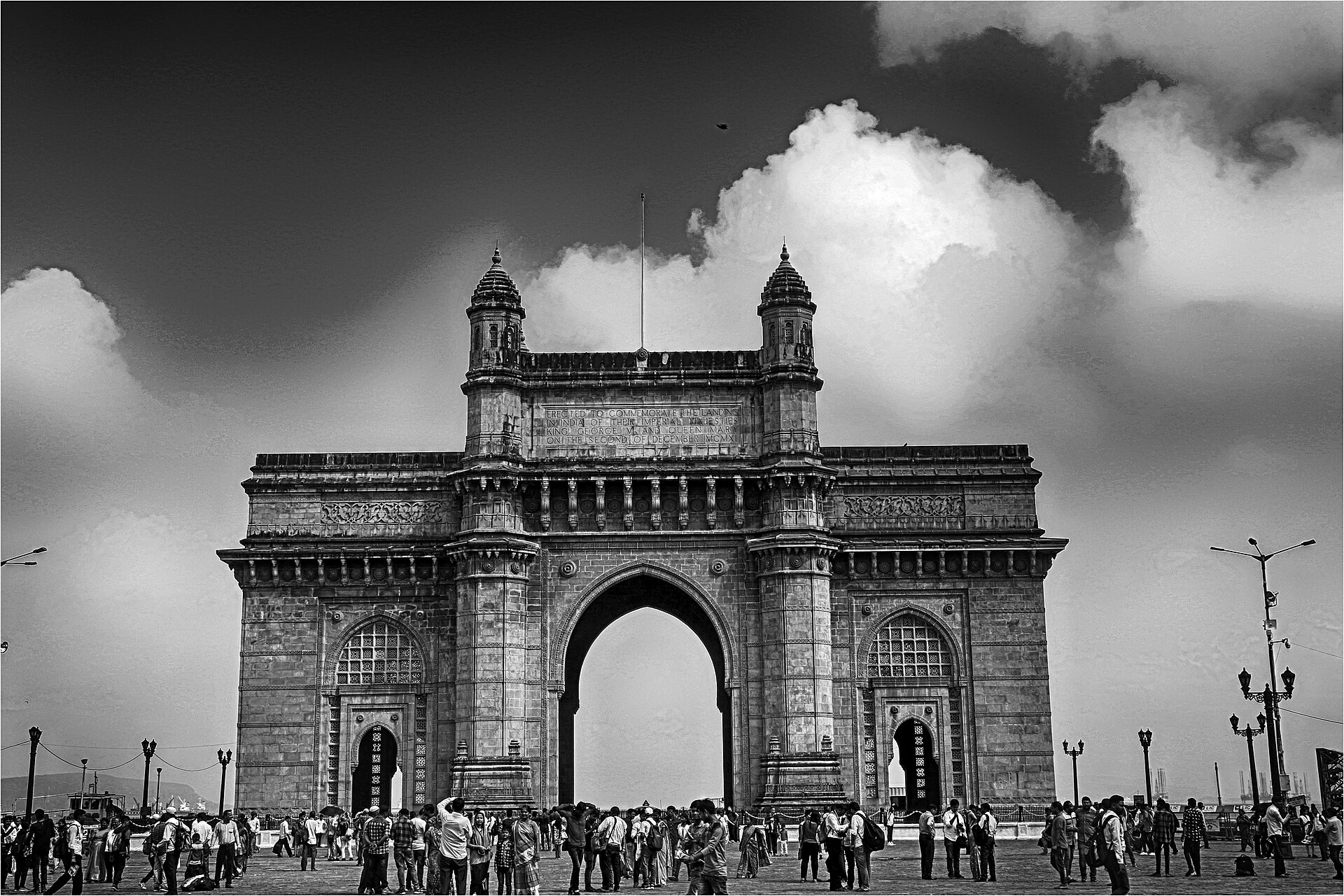
Scenario walks: how the four words collide in real itineraries
Scenario A — Golden Triangle, no exits
Delhi → Agra → Jaipur → Delhi on one tourist e-Visa. You never leave India. Single
entry is usually enough. Your risk is not “entries”; it is aligning the entry
window and stay duration with hotel non-refundables. Print the grant. Carry the
first hotel confirmation. Ignore anyone selling a “double entry upgrade” in a café
outside the airport.
Scenario B — Nepal weekend in the middle
You want Kathmandu for three nights mid-trip. On a single-entry tourist product,
that weekend can kill re-entry. Either buy a product that explicitly allows a second
entry, postpone Nepal until after India, or redesign the route. “My PDF is still
valid by date” does not restore a spent entry.
Scenario C — Open-jaw Dubai stopover
Fly Europe → Delhi, later exit via Mumbai → Dubai → home. That is still one India
entry if you do not return. The stopover after India does not consume a second entry.
The trap appears only if you bounce Dubai → India again on the same grant.
Scenario D — Remote work for “a few months”
A tourist e-Visa is not a remote-work residence permit. Long café days and client
invoices do not rewrite the category on your grant. If you need months of certainty,
research the correct class before you romanticise a hill-station co-working loft.
Documents pack that actually helps at the counter
Build a small offline folder — phone download + cloud + optional paper:
- e-Visa / ETA grant PDF matching the passport you carry.
- Passport biodata page photo (in case the chip reader sulks).
- Return or onward ticket.
- First-night hotel or host address with a phone number.
- Travel insurance policy number and emergency contact.
- If travelling with minors: consent letter / birth certificate copies when airlines ask.
Do not hand your unlocked phone to a stranger “helping with forms.” Do not email
passport scans to random WhatsApp numbers promising same-day miracles.
Airport choreography beyond the stamp
After immigration:
- Follow baggage belts carefully — wrong carousel costs an hour of jet lag.
- Prefer official prepaid taxis or ride-hail with a pinned hotel address.
- SIM desks will ask for passport and sometimes visa proof; keep the grant handy.
- ATMs inside the secure arrivals area are often calmer than landside crowds.
None of this is written on the e-Visa PDF. All of it decides whether hour one feels
like travel or like a hostage video.
Money, connectivity, and the first 48 hours
UPI and cards work widely in cities; smaller towns still like cash. Withdraw sensible
amounts rather than carrying a brick of notes. Keep a backup card in a separate pocket.
Offline maps for your first city save you when airport Wi-Fi evaporates.
If your phone dies, your offline grant PDF dies with it — hence the paper or second
device copy for anxious planners. Paranoia is cheaper than a missed connection.
How travellers misread “validity” language (glossary)
Use this glossary when you open the grant letter:
- Category — tourist, business, medical, conference, etc.
- Entries — how many times you may cross into India on this authorisation.
- Validity / entry window — when the grant can be used to enter (or remain usable).
- Permitted stay — how long you may remain after a given entry.
- Port of entry — airports/seaports allowed for that product.
- Passport number match — the booklet that must match the grant letter.
If any two of those disagree with your ticket dates, stop booking non-refundables.
Red flags that mean “do not pay”
- Sites that mirror the official portal but charge “service fees” in vague currencies.
- Agents who need remote access to your email inbox.
- Guarantees of “same-day approval for any nationality.”
- Instructions to lie about employment or itinerary “because everyone does.”
- QR codes taped to airport pillars promising visa help.
Pay the official fee once. Keep the receipt. Walk away from the rest.
Building a buffer into the trip (travel journalism, not fear)
Independent travellers who enjoy India most usually leave slack:
- One empty night after landing before a non-refundable palace tour.
- Refundable first hotel until the grant arrives.
- Side trips planned only after entries are confirmed on the PDF.
- Health and heat buffers in summer months.
Slack is not waste. Slack is how you keep curiosity when bureaucracy wobbles.
What “online visa” does not mean
“Online” does not mean instant. It does not mean every nationality qualifies. It does
not mean every Indian airport accepts every product. It does not mean a PDF screenshot
in chat is enough if the portal later revokes or never grants.
Online means: you start on a browser, you wait, you receive an electronic
authorisation, and you still meet a human with a stamp machine. Treat the wait as
part of trip design, not as an insult.
Comparing India to other Asia entry styles (context, not advice)
Travellers hopping Thailand, Vietnam, Sri Lanka, and India in one season often mash
mental models together. Visa exemption lists, VOA counters, and e-Visas are different
tools. What worked in Bangkok last year does not automatically unlock Delhi this year.
When you change countries, reset the checklist — do not copy-paste assumptions.
Zookzy’s World portal exists partly for that reset: country cards and city hubs live
beside World guides like this one, so you can switch mental contexts without losing
the trip thread.
Photography, drones, and “journalist” traps at the border
Tourist e-Visa language usually assumes leisure travel. If your bag is full of
broadcast gear, press credentials, or commercial shoot schedules, say so to yourself
before you tick “tourist.” Mis-categorising media or work as tourism is a classic
way to turn a holiday into secondary questioning. When in doubt, read the official
category definitions — not a forum thread from 2019.
If the grant is delayed and the flight is soon
Options, ranked by adult behaviour:
- Change the flight while change fees are cheaper than panic.
- Contact the official support channel listed on the portal — keep ticket numbers.
- Do not buy a “VIP fixer” who wants your OTP codes.
- If you already paid non-refundable hotels, ask about date moves; many properties
help when immigration paperwork is the reason.
A delayed grant is stressful. It is rarely solved by shouting at an airline agent
who cannot see the Indian portal from the desk.
After you leave India
Keep a copy of the grant and entry stamps until you are sure no airline or insurer
will ask. Overstay accusations and “when did you leave” disputes are rare for careful
travellers, but archives are cheap. If you used double/multiple entry, note how many
entries remain before you plan a surprise return.
A sample week that respects the PDF
Imagine a careful leisure week:
- Day −14: apply on the official portal; upload clean photo/scan.
- Day −10: grant arrives; download offline; check entries and stay.
- Day −7: buy flights that land inside the entry window with margin.
- Day −3: confirm first hotel; pack modest temple clothes; save offline maps.
- Day 0: land, join the correct queue, answer briefly, stamp, SIM, ride-hail.
- Days 1–6: cities and trains — no border hop unless entries allow it.
- Day 7: exit with time to spare; keep PDF until home.
That calendar is boring on purpose. Boring calendars survive contact with airports.
Questions to ask before you click “pay” on the portal
- Is my nationality on the eligible list today?
- Does the product allow the number of entries my route needs?
- Does the entry window cover my first landing with buffer?
- Does permitted stay cover my last night with buffer?
- Does my passport number and spelling match exactly?
- Am I applying under the correct category for what I will actually do?
- Do I have an email inbox I control for the grant letter?
If any answer is “I’m not sure,” pause. Uncertainty is cheaper before payment than
after non-refundable tickets.
Why longreads still matter in a TikTok world
Short videos are great at vibes and terrible at four-word contracts. A long read lets
you sit with entries vs stay until the difference feels obvious. That is the point of
this Compass World piece: not to scare you away from India, but to keep the romance
of the trip from colliding with a preventable refusal at 02:00.
How Zookzy World uses this guide
On Zookzy’s World cities hub we link this article as a traveler reminder: city
photo cards send you into a country portal (stays, places, transport), but the visa
layer sits above any Delhi or Jaipur itinerary. Open the India portal for places and
trains; keep this Compass World long-read bookmarked while you still hold refundable
fares.
Use the Cities of Asia gallery for photo cards, then jump into India for district
hubs, places, and transport. This visa guide stays on World so it can sit beside
multi-country trip planning without pretending to be a government form.
Field checklist (print or screenshot)
- [ ] Official portal confirms my nationality is eligible for the product I want
- [ ] Photo + passport scan accepted
- [ ] Grant PDF downloaded offline (+ optional paper)
- [ ] Entries match my side-trip plan
- [ ] Entry window covers my first landing
- [ ] Stay duration covers my last night
- [ ] Passport validity satisfies airline + immigration norms
- [ ] First-night address ready if asked
- [ ] Return/onward ticket available if asked
- [ ] No payment to unofficial “urgent” middlemen
- [ ] Minors’ documents packed if travelling as a family
- [ ] Insurance numbers offline next to the grant
Closing: the visa is the first city you visit
India rewards curiosity. It also rewards adults who treat the e-Visa like a contract.
Read the four words — category, entries, validity, stay — until they stop blurring.
Then book the sunrise, the sleeper train, and the thali.
Think of the authorisation as the first destination on your map: invisible, but it
decides whether every other pin is reachable. Spend one sober evening with the official
portal, your passport, and your real itinerary. That hour saves more holiday joy than
another scrolled list of “hidden cafés.”
When the stamp hits the page, the real trip starts. Make sure the PDF you carried
through the night actually authorised that stamp.
Editorial note: procedures, fees, eligible countries, and product names change.
Verify on the official Government of India e-Visa website before you travel. This
guide is informational journalism for travellers using Zookzy World — not legal advice.
এই তথ্য প্রস্তুতির তারিখ (26.07.2026) পর্যন্ত সঠিক ছিল। স্থলে বিবরণ পরিবর্তন হতে পারে।


